Reading matters. No argument there. But if you’ve ever watched a quiet kid light up after landing a trick or hitting a target, you’ll know that confidence rarely grows from books alone. It grows from doing hard things and surviving them. The page teaches a child to think. The wider world teaches them they can cope, and that second lesson is the one that tends to stick.
Why confidence doesn’t only come from books
A child can be a brilliant reader and still freeze when asked to try something new. Comprehension and self-belief are different muscles. One lives in the head, the other lives in the body and the gut.
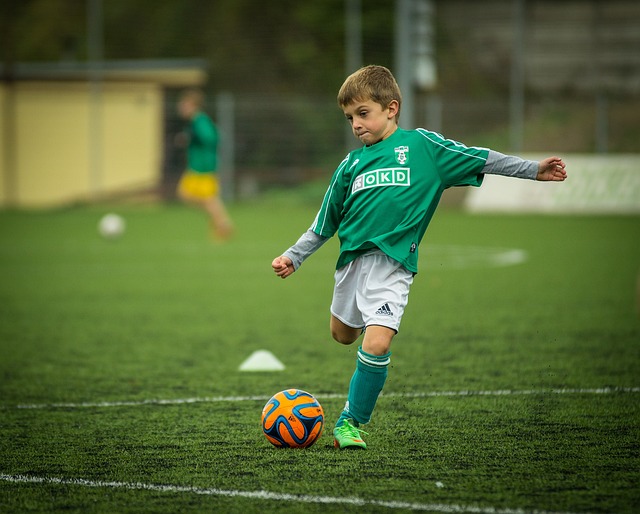
Physical activities fill a gap that academics can’t. They put a kid in a situation with a clear outcome, a bit of risk, and no way to fake it. You either climb the wall or you don’t. Over time, the repeated experience of trying, struggling, and eventually managing rewires how a child sees themselves. They stop being someone things happen to and start being someone who can act.
What confidence looks like in a kid
It’s worth being specific, because confidence gets thrown around as a vague good thing. In practice it shows up as small behaviors. A willingness to put a hand up. Recovering from a mistake without melting down. Trying a second time after a first attempt flops.
Those habits transfer. The kid who learns to shrug off a missed shot is the same kid who, a year later, isn’t crushed by a bad grade. You’re not really teaching a sport. You’re teaching a relationship with failure.
Archery and the quiet power of focus
Some children do their best work when everything goes still. Archery suits them. There’s no crowd noise, no clock, just a target and the slow business of breathing, aiming, and releasing. For an anxious or easily overwhelmed child, that calm is a gift.
It also delivers feedback you can’t argue with. The arrow lands where it lands. A child learns to adjust without anyone scolding them, which builds a kind of self-correction that’s hard to teach any other way. Structured coaching like Archery Up training gives beginners the safety basics and the technique early, so the focus on form turns into real progress rather than frustration. Watching a nervous kid sink into that kind of concentration is something to see.
Letting children fail safely
Here’s the part many parents struggle with, myself included. We want to smooth the path. We jump in before the wobble becomes a fall. And every time we do it, we quietly tell the child they couldn’t have handled it.
Confidence needs the opposite. It needs a safe space to get things wrong. A good coach or a well-run club provides exactly that, a setting where failure is low stakes and completely expected. The trick for parents is to step back far enough that the child owns the win. If you catch them every time, the success is yours, not theirs.
Skateboarding and learning to get back up
Few activities teach resilience as bluntly as skateboarding. You fall. A lot. Then you stand up, brush the grit off, and try the same thing again. There’s no shortcut and no faking it, which is exactly why it works.
What looks like reckless fun is a steady lesson in persistence. Kids learn that the gap between can’t and can is just a stack of failed attempts. Beginner skateboard programs make that process safer with proper pads, sensible progressions, and an instructor who knows when to push and when to ease off. The confidence a child carries out of those sessions has very little to do with the board and everything to do with proving to themselves they don’t quit.
Following their lead, not yours
One warning. The activity that builds your child’s confidence might not be the one you’d pick. Plenty of parents sign a kid up for the thing they themselves loved, then wonder why the spark never catches.
Watch what your child gravitates toward. Offer options, notice what holds their attention, and let them choose. A reluctant participant gets very little from any activity, however good it is. A willing one gets everything.
Confidence isn’t a single lesson you can deliver. It’s the slow accumulation of moments where a child surprised themselves. Books open the mind, and they should stay central. But the kid who also knows how to fall, focus, and try again walks through the world a little taller. Give them the chance to find out what they’re capable of, and then get out of the way.