 Family cycling in 2026 feels less like a “bike trend” and more like a quiet shift in how families get around. What used to be a niche lifestyle choice has become a practical, everyday alternative to the second car in many cities.
Today’s family bikes are stronger, smarter, and far more comfortable than earlier generations. They’re designed for real life: school runs, grocery stops, tired kids, rainy mornings, and everything in between.
What a family bike really means in 2026
Forget the old idea of just a child seat on a bicycle. In 2026, family bikes usually fall into three categories:
- Longtail e-bikes with extended rear cargo space
- Front-loading cargo bikes (often called “bakfiets”)
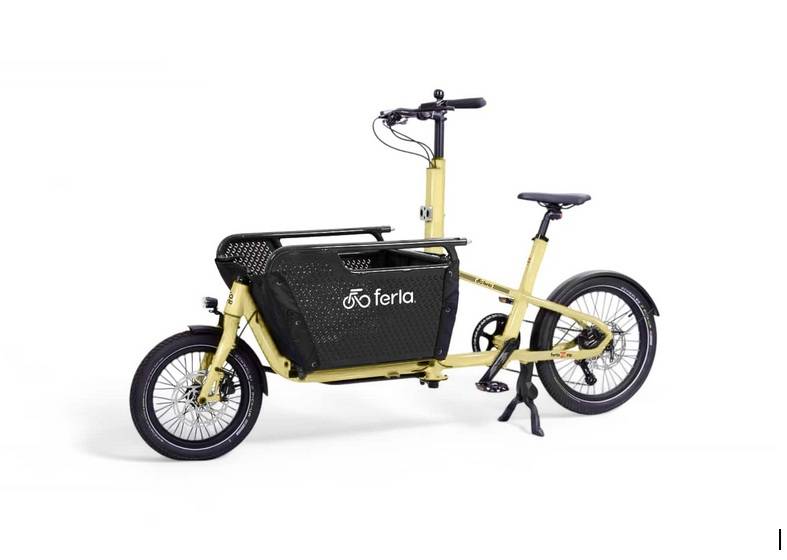
- Compact cargo e-bikes built for tight city living
Most of them now come with electric assist, which quietly changes everything. Hills stop mattering. Distance becomes less intimidating. Even two kids plus groceries feels normal.
Why more families are switching
The shift is pretty simple: bikes are finally matching real family needs.
- They replace short car trips almost completely
- They handle multiple kids safely
- They’re cheaper to run than cars
- And honestly, they make everyday travel more enjoyable
Industry trends in 2026 show cargo and family e-bikes becoming one of the fastest-growing parts of urban mobility, especially in Europe.
There’s also a quiet emotional factor: you spend more time together outside, not stuck in traffic.
The main types of family bikes (in real terms)
Longtail bikes
These look like normal bikes that just grew a bit in the back.
They’re popular because they feel familiar. You ride them like a regular bike, but suddenly you can carry one or two kids, plus bags, without much stress. Many parents choose them as their “first serious cargo bike.”
Front-load cargo bikes
These are the “family taxi” style bikes.
Kids sit in a box in front of you, which feels a bit strange at first, but very practical once you get used to it. You can talk to them while riding, keep an eye on everything, and load a surprising amount of stuff.
Compact cargo bikes
These are the newer, urban-focused designs.
They’re shorter, easier to park, and better for people living in apartments. Think of them as the “I want cargo capacity but I don’t have space for a small car-sized bike” option.
What’s actually new in 2026
A few trends stand out this year:
- Better motors that handle heavy loads smoothly
- Bigger batteries with more realistic daily range
- Smarter accessories (child seats, rain covers, modular setups)
- Stronger focus on stability and braking safety
The result is simple: these bikes feel less like experiments and more like finished products you can rely on daily.
A real-world example: Ferla Family Bikes
One interesting brand in this space is Ferla, which focuses heavily on practical family cargo bikes designed for everyday use.
You can explore them here: https://ferlafamilybikes.com/
What stands out about this kind of brand is the mindset: not racing performance, not extreme design, but simply making it easier for families to move around together without needing a car for every small trip.
What to think about before buying
If you’re considering a family bike in 2026, these are the real deciding factors:
- How many kids you carry daily
- Your city terrain (flat vs hilly matters a lot)
- Storage space at home
- Whether you want “bike feel” or “mini car feel”
- Maintenance comfort level
The biggest mistake people make is choosing based on looks instead of daily routine. These bikes are tools first, lifestyle second.
Final thought
Family bikes in 2026 are no longer about “trying something different.” They’re becoming a normal transport choice, especially in cities where short car trips are the biggest source of congestion and frustration.
The real question is no longer “Is this practical?”
It’s more like “How many of my car trips could this replace?”
And for many families, the answer is: more than they expected.