If you’ve got a child who’d rather do anything than open a book, you’ve probably been told to just keep reading with them. Sometimes that works. Often it turns reading into a battle nobody wins. The thing parents rarely hear is that the path back to the page sometimes runs through a court, a field, or a gym. Focus is a skill, and it’s frequently built fastest when there isn’t a book in sight.
The focus connection
Attention isn’t fixed. It’s trained, and physical activity turns out to be one of the better training grounds. When a child has to track a moving ball, time a swing, and ignore everything else, they’re practicing the exact mental control that reading later demands.
There’s a physical side too. Exercise increases blood flow and releases chemicals that help the brain settle and concentrate. A kid who has run around for an hour often comes to a quiet task calmer and more able to sit still, not less. The old idea that you tire children out so they’ll behave isn’t far off, it’s just that the benefit is sharper than that.
Why reluctant readers often thrive in sport
A reluctant reader is not a lazy child. Usually they’re a child who hasn’t found a way in, and the classroom keeps measuring them against the one skill they find hardest. Sport flips that. Suddenly they can be the quick one, the brave one, the one who keeps their head when a point is on the line.
That shift matters more than it looks. A child who thinks of themselves as capable carries that self-image back into other rooms, including the ones with books in them. Competence in one area has a habit of leaking into others.
Pickleball as an easy on-ramp
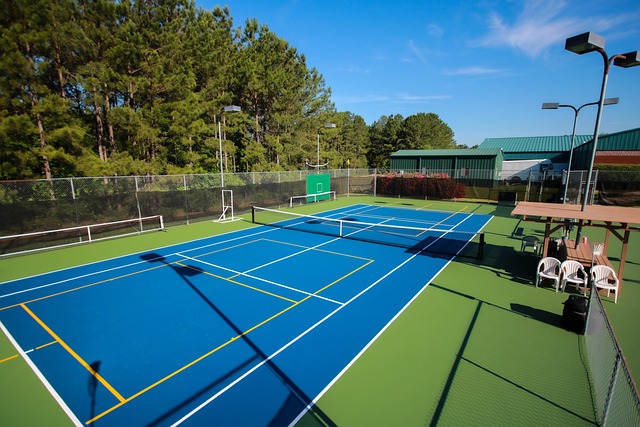
For a child who gives up quickly, the choice of sport is everything, and pickleball is hard to beat as a starting point. The court is small, the rules are simple, and a beginner can keep a rally going within minutes. That early success is the hook. Nothing kills focus faster than a child deciding they’re bad at it before they’ve begun.
The format helps as well. Short, busy points demand quick attention and quick reset, then a breath, then another point. It’s almost interval training for concentration. Structured pickleball lessons built for kids keep the pace high and the instruction light, which is exactly what a child with a short fuse for boredom needs. They’re concentrating hard and barely notice they’re doing it.
Building a routine that sticks
Here’s where good intentions usually fall apart. One enthusiastic session does almost nothing. Focus is built by repetition, the boring kind, the same activity at roughly the same time each week until it stops being a negotiation.
Children find safety in rhythm. When an activity becomes simply what we do on Tuesdays, the daily argument disappears and the child can get better, because they’re not spending half their energy resisting. Keep the commitment small and regular rather than big and occasional. A short weekly slot beats an ambitious plan that collapses by the second week.
Tennis and longer stretches of concentration
Once a child has a taste for movement, tennis asks something more of them, and that’s a feature, not a flaw. Rallies last longer. Footwork gets technical. A player has to hold their attention across a whole game rather than a single burst, which stretches their focus in a way faster sports don’t.
There’s also the solo element. On the court a child can’t hide in a team or blame a teammate. The success and the misses are theirs, and that ownership does wonders for concentration. If you want to give it a try, you can find tennis court near you and book a beginner session before committing to a full term. Most kids who stick with it find the longer points become a kind of moving meditation, which is no small thing for a child who can’t usually sit still.
Bringing focus back to the page
The goal was never to replace reading with sport. It’s to build the underlying skill, attention, in the place a child finds easiest, then carry it across. A kid who can lock in on a rally has proved to themselves they can lock in, full stop.
So keep the books around, keep them low pressure, and trust the transfer. The focus a child earns chasing a ball doesn’t stay on the court. It comes home, sits down, and eventually, on its own terms, opens the book. Reluctant readers don’t usually need more pressure. They need a reason to believe they can concentrate, and sometimes the fastest way to give them that has nothing to do with words at all.