Every summer the same worry surfaces. The kids are off school for weeks, the worksheets gather dust, and a small voice in every parent’s head whispers that they’re falling behind. The instinct is to drag everyone back to the kitchen table. But a lot of the most useful learning a child does over the summer happens nowhere near a desk, and forcing the indoor version often does more harm than good.
The summer slide is real
It has a name because it’s measurable. Over a long break, children can lose a chunk of what they learned the previous year, especially in math, and the kids who lose the most tend to be the ones who do nothing structured at all. So the worry isn’t imaginary.
The mistake is assuming the fix has to look like school. Learning isn’t only about retaining facts. It’s about staying mentally engaged, solving problems, and keeping the brain used to effort. A child can do all of that on a bike, in a pool, or halfway up a climbing frame, and they’ll do it willingly, which matters more than any worksheet.
What kids actually learn outside
Watch a child figure out a new physical skill and you’re watching their brain at work. They’re estimating distance, adjusting after mistakes, managing frustration, and reading their own body. None of it feels like study, which is precisely why it sticks.
There’s the social learning too. Summer activities throw kids together with new faces and no teacher refereeing every interaction. They negotiate, take turns, sort out who goes next. Those skills don’t show up on a report card, but they shape how a child handles the world far more than a summer math packet ever will.
Swimming as a summer skill that lasts
If you only commit to one thing all summer, make it swimming. It’s the rare activity that’s a true safety skill and a serious workout at the same time, and summer is when kids are around water most.
Beyond the safety case, swimming builds a quiet kind of grit. Progress is slow and physical, measured in widths before lengths, in breathing that finally clicks. A child who pushes through that earns hard-won confidence in their own body. Proper swim lessons move a child along faster and far more safely than splashing around ever will, and the skill, once learned, never leaves them. There aren’t many summer investments that pay off for the rest of a life.
Keeping it unstructured enough to be fun
A caution before you fill the calendar. The fastest way to ruin summer is to schedule every hour of it. Boredom isn’t the enemy here. It’s where imagination tends to wake up.
Kids need stretches of nothing, the long aimless afternoons that produce dens, invented games, and questions out of thin air. Pencil in an anchor activity or two a week and leave the rest loose. A child who is shuttled between camps from dawn to dusk comes back as fried as any adult after a brutal work stretch, and learns roughly as much.
Camps that turn a hobby into a habit
For an activity a child already loves, a focused camp can do what a weekly class can’t. A few concentrated days move a kid further than months of one hour sessions, because the skill never goes cold between visits and the immersion builds momentum.
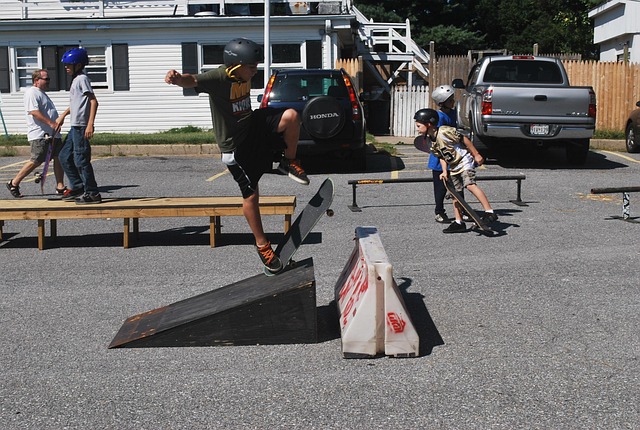
Skateboarding is a perfect example. A child who messes around on a board all year can land solid skills in a week of skate camps, where structure, repetition, and a crowd of equally obsessed kids do most of the work. The social pull is half the magic. Surrounded by others chasing the same trick, a child pushes harder than they ever would alone, and comes home with skills and a few new friends.
A summer plan that doesn’t feel like school
The sweet spot is simple to describe and harder to hold. A bit of structure, a lot of freedom, and at least one activity that stretches the body and the mind without ever announcing itself as learning.
Keep some books around for rainy days and let reading stay a pleasure rather than a chore. Beyond that, trust the outdoors to do its job. The summer your child remembers won’t be the one spent doing extra worksheets. It’ll be the one where they finally swam a length, landed a trick, or stayed out until the light went. They’ll have learned plenty. They just won’t have noticed.