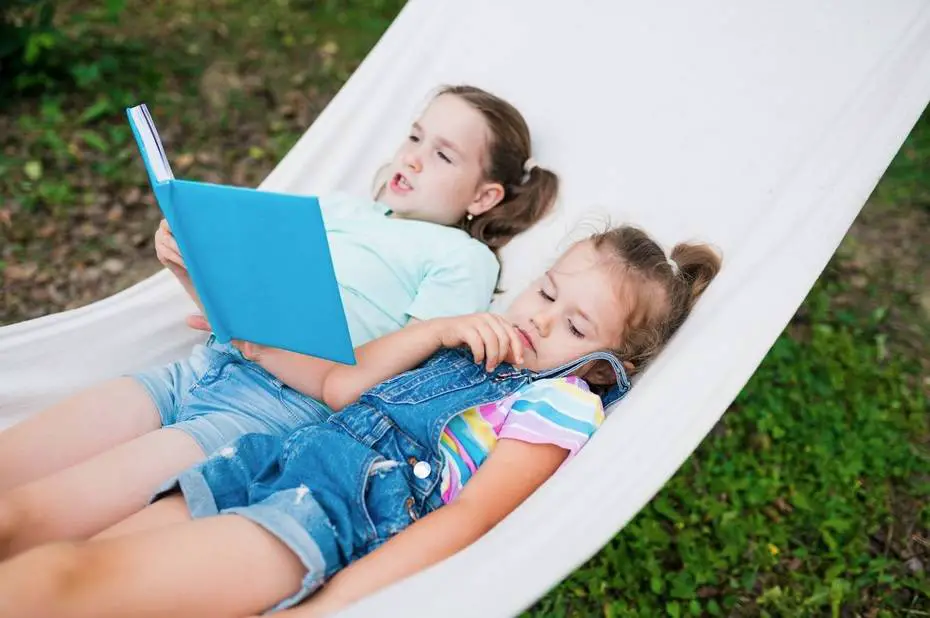
Summer isn’t only about sunshine, hikes, and cabins in the woods.
It’s the perfect season for curious kids to discover the pleasure of reading. Kids’ summer camps are now finding ingenious ways to make room for books and stories in the great outdoors. Children who love to read can now spend their time in a space that fuels their creative energies, where they can do what they’re wired to do — dream far and wide. Parents can now easily find summer learning experiences by turning to platforms for kids’ summer camps that keep the spirit of learning on during playtime.
How Kids’ Summer Camps Build a Strong Reading Culture
Many summer camps provide time for reading and many stories, or challenge-based reading experiences. Campers can be inspired to enjoy a book when they see other campers doing the same. Freekidsbooks.org encourages a collaborative reading space that is accessible to everyone, fun and engaging. In addition, an open reading experience offers the highest probability that your child will be willing to disclose what is being read.
Reading Lists are the Lifelines of Modern Camps
Curated summer reading lists help campers encounter new genres outside of their classrooms. Whether it’s thrill-seekers in faraway lands, mysteries in the science lab, or general fiction, these summer reading tales offer a glimpse into the reading passions of our camper population. In some cases, camps even encourage campers to read books related to camper activities. This integrated reading is an ideal way to connect what campers are doing with what they are reading.
Can Camp Activities Encourage Storytelling Skills?
Yes! Most kids’ summer camps offer at least some activities that work well to inspire storytelling — nighttime circle around the campfire, nature hikes, the arts, and daily journaling. These involve kids in sequencing (First this happened, then that) in descriptive work, vocabulary building, and in sharing experiences and feelings. Camp stories add up to a reading and writing site.
How Camps Support Literacy Through Creative Exploration
Writing and reading are interwoven with activities in many programs. For example, a camp with a naturalist focus may ask campers to write notes about what they observe, or create illustrated characters based on animals in the woods. An arts program might assist campers in writing and illustrating a picture book. This immersion allows literacy to become deeply embedded in the experience — a fun, natural part of the creative process, rather than an assignment to be avoided.
Are Literacy-Focused Moments Still Fun for Campers?
Yes. Because they are tied to joy and imagination. Whether children are swapping stories in the bunkhouse or reading under a tree after lunch, literacy moments become part of the magic of camp. They promote confidence, friendship, and a sense of shared discovery.
How Summer Learning at Camp Carries Over Into the School Year
Many campers take the reading practices they’ve learned and use them for weeks to come. Kids will enter school post-camp with a broadened vocabulary, a deeper understanding of how to comprehend text, and more interest in and willingness to engage with books. These benefits lead to campers heading back to school ready to take on reading, and families seeing an excited student take on subjects with ease!
A Season That Shapes Young Readers
Summer camps offer more than outdoor fun. They create a vibrant environment where reading and storytelling feel exciting and alive. When children learn to connect books with adventure, friendship, and imagination, they carry those positive associations into the rest of their lives.



This is a wonderful and insightful article. I really appreciate how it highlights the role of summer camps in nurturing a love for reading beyond the classroom. The connection between outdoor activities, shared reading spaces, and storytelling feels very natural and effective for kids. I especially like the idea of curated reading lists and campfire storytelling as ways to make books feel exciting rather than academic. This is a great resource for parents looking for meaningful summer learning experiences for their children.