Building a personal library is a rewarding journey that fills your home with knowledge and memories. Every new volume represents a story or a lesson you wish to keep close to your heart. Space runs out much faster than the desire to keep collecting new titles.
Finding ways to house these items without cluttering your living area requires a bit of planning. You can turn your collection into a beautiful feature of your home decor with the right approach.
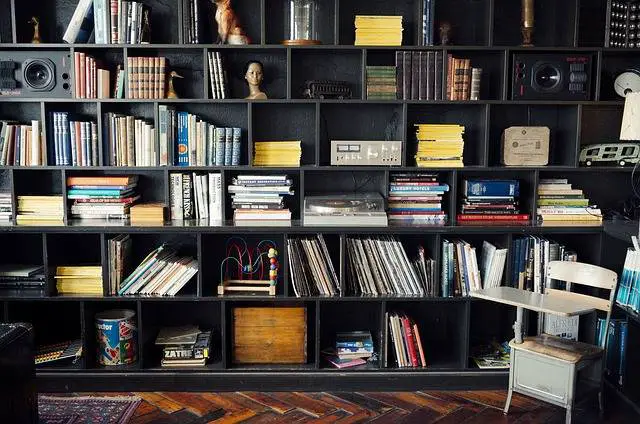
Rethinking Your Home Book Collection
Many rooms have unused corners or wall space that could hold dozens of novels. Stacking books horizontally can save space and create a modern look on existing shelves. Rotate your collection to showcase different titles throughout the year.
Sorting books by size or color keeps the room looking tidy. Large coffee table books fit best on lower shelves or sturdy side tables. Smaller paperbacks can occupy narrower ledges or floating shelves. Keeping a clear system will make it easy to find exactly what you want to read.
Off-Site Storage For Growing Archives
Rare editions or academic journals require more space than a spare bedroom provides. Moving seasonal items to an Epping storage facility keeps your home organized. The right location provides a secure environment for items you do not need every day. Professional units offer the extra square footage needed to expand a collection indefinitely.
Renting a unit is a practical step for serious collectors with thousands of volumes, so that you keep your home feeling open and airy. Swap out boxes of books as your interests change. Keeping a detailed inventory of what is in storage makes retrieval simple. This strategy prevents your home from feeling like a crowded warehouse.
Using Height To Your Advantage
Small rooms quickly feel cramped when books stack up on coffee tables or desks. An interior design website recently explained that floor-to-ceiling bookshelves maximize storage and make walls appear taller. Vertical lines draw the eye upward and keep the floor area clear for furniture. You can store less frequent reads on the highest shelves to keep your favorites within reach.
High shelving units provide a sense of grandeur to a living room or study. They turn a plain wall into a massive display of your interests and history. Using a rolling ladder adds a classic touch to a tall library setup.
Creating Dedicated Spaces For Reading
Many homeowners are now prioritizing areas that focus on physical hobbies instead of digital screens. Upcoming trends emphasize reading nooks and digital detox corners. Set aside a specific corner for your books to create a place in your house.
Designing a reading nook involves finding the right lighting and a comfortable chair. Placing a bookshelf right next to your seating area keeps your current reads accessible. Add a small lamp so that the text is easy to see at night.
Investing In Permanent Custom Shelving
Custom furniture offers a perfect fit for unusual wall shapes or alcoves. Every inch of available space serves a purpose. Built-in bookcases cost between $1,000 and $2,000. Quality shelving supports heavy hardcovers without sagging: it’s an investment that adds value to your property and provides a permanent home for your library.
Customized units can include cabinets at the bottom for items you want to hide. Glass doors protect delicate pages from dust and pets, and choose materials that match the rest of your home.
Creative Furniture Solutions For Small Rooms
Take a closer look at some solutions to look into:
- Use floating shelves for a modern look.
- Repurpose old wooden ladders as rustic book displays.
- Install shelving above door frames to use dead space.
- Place wicker baskets under benches for magazines.
- Use a bar cart as a mobile book station.
- Add slim ledges behind a sofa for thin volumes.
Multi-purpose furniture hides a growing collection in plain sight. Benches with hollow bases or beds with built-in drawers work well for paperbacks. Store your collection in a way that feels intentional. Hidden compartments keep your surfaces clean and your books safe.
Organizing Your Collection For Easy Access
Alphabetizing or color-coding makes finding a specific title much faster. Sort by genre or author to create a logical flow for guests who browse your shelves. Maintaining a system prevents the library from becoming a source of stress. Regular pruning allows you to donate books that no longer spark your interest.
Labeling the edges of shelves can help you stay organized. Use small placards or even stickers to mark different sections. A well-organized shelf looks professional and inviting, so that it shows that you value your collection and take pride in your home.
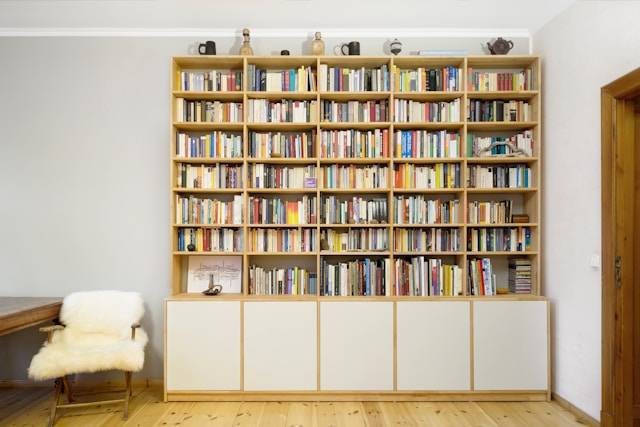
Every book deserves a place where it can be seen and appreciated. Balancing home display with smart storage will guarantee that your collection remains a joy. You can grow your archives and keep your living space comfortable and stylish. Your personal library will continue to reflect your interests and experiences as it expands.