The spiral rarely begins with a huge mistake. It begins with a feeling. The classroom looks unfamiliar, the clock feels loud, and even the scrape of a chair can make a kid tense up. When that stress takes over, kids rush, miss details, and forget steps they could do perfectly at home.
If you are juggling homework across subjects, you have probably seen the late-evening scramble. Some students even look up assignment writing service AssignmentHelp.org when they need extra support for a packed week, yet many score boosts come from steady habits kids can repeat on their own.
So, what are some test taking strategies that work for real kids on real school days? The best ones are simple, teachable, and easy to practice in short bursts.
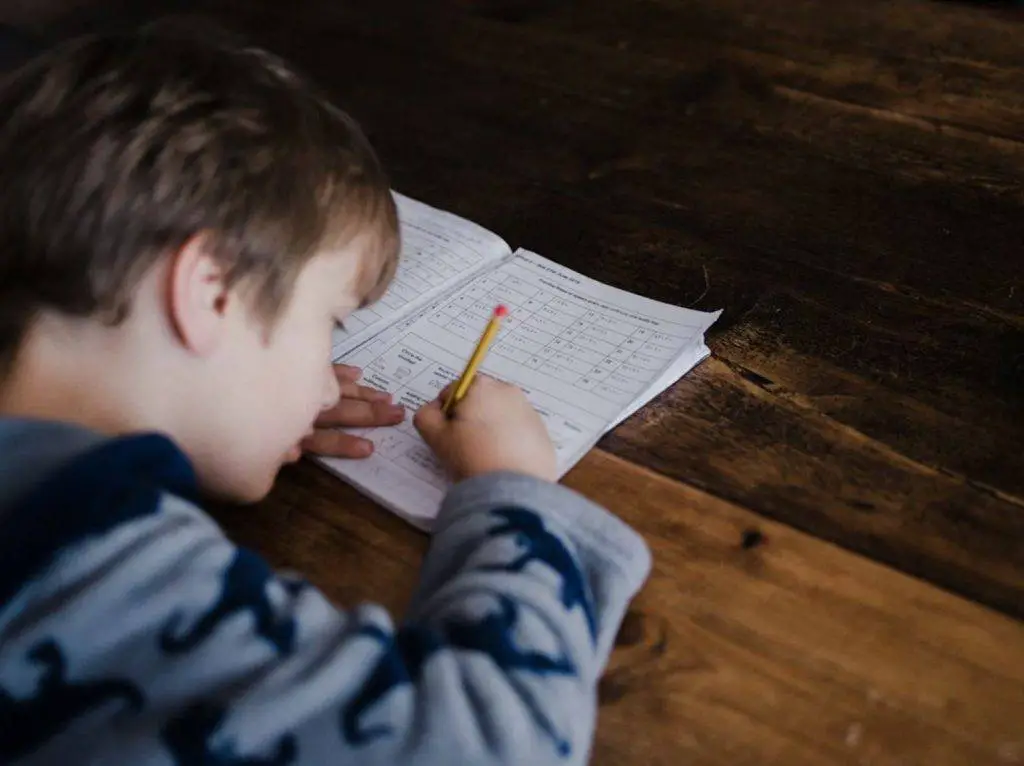
Start With a Predictable Pre-Test Routine
A routine is a landing strip for attention. These test taking strategies for kids work best when you rehearse them on ordinary nights, so the test day feels familiar.
When a child asks how to take tests, start with shorter sessions and clear targets. Aim for a small win each night, like finishing one set of practice questions or mastering five terms. Try to keep mornings calm by arriving a little early.
Try this pre-test checklist the night before:
- Pack pencils, an eraser, and any allowed tools.
- Set out clothes and a water bottle for the morning.
- Eat something with protein and drink water.
- Choose a bedtime that allows real sleep.
- Review one tiny “confidence page” of key notes.
Read the Question Slowly
Many kids lose points because they rush past instructions. Before taking a test, teach your child to pause for ten seconds and underline the action word: circle, explain, compare, solve, choose. That small pause prevents a lot of avoidable errors.
A helpful habit is to restate the question in a kid’s own words. “This wants the main idea,” or “This wants two examples.” The moment they translate it, the task feels clearer.
Also, teach them to spot limit words. Terms like “most,” “first,” or “best” change what counts as a correct answer. Kids who notice those cues feel calmer, because the question stops feeling vague.
For reading questions, encourage kids to point to the sentence that supports their choice. For math, they can check the work by plugging the result back in. That habit turns stress into a quick verification step.
Try Test Taking Strategies Multiple Choice to Cut Guesswork
Multiple-choice questions can feel easy until two options look almost the same. The goal is to replace guessing with a method your child uses every time.
Use this simple process:
- Read the question, then cover the answers and predict an answer.
- Cross out choices that are off-topic or too extreme.
- Re-read the question and pick the option that fits it best.
- If two options feel close, compare the exact wording.
Kids also benefit from spotting “trap” patterns. Some options repeat words from the question without answering it. Others add details that were never taught. A method keeps them grounded when their confidence wobbles.
Pace the Test and Use a Skip Strategy
Some kids race and finish early with careless slips. Others freeze and run out of time. The fix is pacing, which you can practice at home with a timer in a calm setting.
Start with one rule to learn how to study for a test: spend the most time where the most points are. If the test has sections, kids can do a quick scan, mark harder questions with a small star, then return after collecting easier points.
If a question stays stuck after about a minute, skip it and move on. Later, when they return, they often see the pattern faster because the brain has been warmed up by easier items.
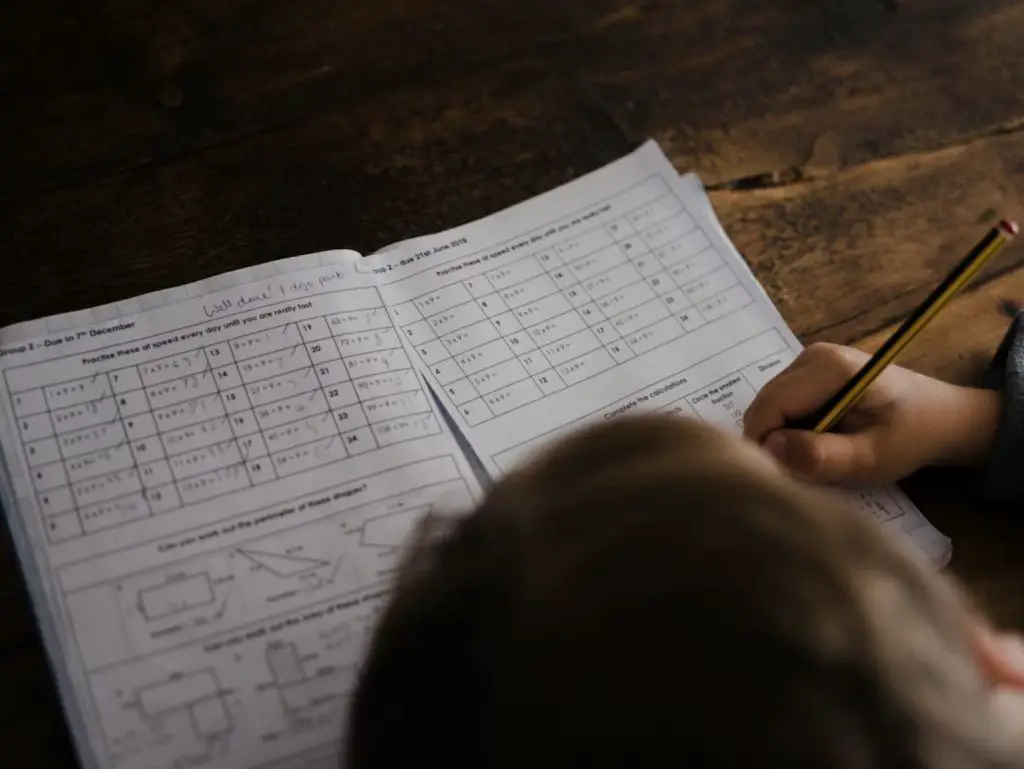
Practice Mini Tests at Home
One reason tests feel scary is the format. A kid who only studies from notes meets a very different task on test day. Try short practice tests at home, even five questions at a time. Print a page, sit at the table, and keep the same rules the teacher uses, including silence and a timer.
Afterward, review like a detective. Ask, “Where did your thinking change?” Help the kid label the error: misunderstood the question, forgot a step, rushed, or ran out of time. Then redo the same question the right way and write one sentence about the fix. When kids see mistakes as clues, they recover faster in class. That confidence shows up quickly.
Make Studying Feel Like Practice, Not Like Reading
Staring at notes can feel like studying, but practice builds recall faster. If you want the best way to study for a test, use quick retrieval. Ask your child to close the notebook and answer three questions from memory, then check the notes and correct what was missed.
You can keep this practice playful without losing rigor. Turn vocab into a funny sentence. Do two math problems, then have your child explain the steps out loud. Ask them to teach you one concept in one minute, then ask one follow-up question.
Spacing helps. Ten minutes a night across several days builds familiarity, so the material feels easier to access under pressure.
Use a Short Review Step Before Turning It In
Kids often finish and feel a rush to hand the paper in. A quick review step can raise scores without adding more study time, because it catches simple mistakes.
Teach a two-pass review. First pass: look for skipped questions, messy bubbling, missing units, or incomplete sentences. Second pass: revisit the hardest questions and check that the answer matches what the question asked.
Near the end of the semester, some families add outside support to keep routines steady. Mira Ellison, an education expert from AssignmentHelp, suggests using targeted assignment help during workload spikes so kids can keep their practice habits consistent.
Final Thoughts
The goal is a kid who knows what to do when nerves show up. Keep the routine steady and practice recall in small bursts. Over time, tests start to feel like another skill they know how to use.