Physical activity plays an essential role in shaping the overall development of young people. Beyond the immediate benefits of movement and exercise, active play and structured sports experiences help children build confidence, improve social skills, and develop healthy habits that last well into adulthood. Whether a child prefers team games, outdoor exploration, or organized training sessions, the impact on their emotional, social, and physical growth is significant and long-lasting.
Building Physical Strength and Healthy Habits
One of the most well-known benefits of physical activity is its ability to enhance strength, coordination, and endurance. Children who regularly take part in active play develop stronger muscles, better balance, and improved motor skills. Even simple activities like running, jumping, or kicking a ball lay the foundation for lifelong fitness.
Developing these healthy habits early helps young people understand the value of staying active. When children are exposed to enjoyable physical activities, they are more likely to carry these behaviors into adulthood. This reduces the likelihood of inactivity later in life and encourages them to maintain a balanced and healthy lifestyle.
Enhancing Emotional Resilience
Physical activities are also powerful tools for emotional development. Movement can help children regulate stress, channel their energy in positive ways, and boost their overall mood. Participating in sports or structured play provides an outlet where children can safely express their feelings, overcome challenges, and build resilience.
When young people experience progress, whether learning a new skill or achieving a personal goal, they gain a sense of accomplishment. This builds self-esteem and encourages them to trust their abilities. These emotional benefits support them not only in sports but in school, relationships, and everyday life.
Supporting Social Skills and Teamwork
Many physical activities naturally involve cooperation, communication, and teamwork. When children participate in group challenges or team sports, they learn how to listen to others, follow instructions, and offer encouragement. These shared experiences strengthen their ability to connect with peers and form meaningful friendships.
Team settings help children understand the importance of responsibility, fairness, and respect. They learn how their behavior affects others and how to contribute to a group in a positive way. These are essential lessons that translate into improved social interactions and better problem-solving skills as they grow.
Encouraging Discipline and Focus
Structured physical activities help children develop discipline, consistency, and concentration. Whether they are practicing a routine, attending regular classes, or working toward a goal, they learn the value of dedication and persistence. These qualities are especially important as children move through school and face increasing academic expectations.
Physical activity also enhances cognitive skills such as memory, focus, and attention. Engaging in movement boosts brain function and helps children stay mentally sharp. By creating a balance between physical and academic activity, young people can perform better both in and out of the classroom.
Providing Opportunities for Growth Through Sport
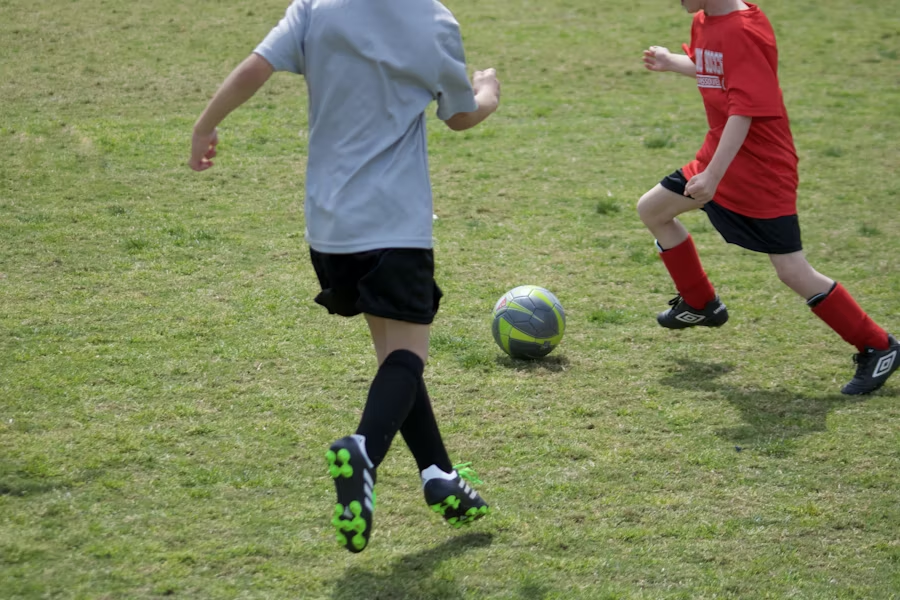
Organized sports offer children a safe and supportive environment to challenge themselves while developing technical skills. These experiences give young people a chance to learn from coaches, interact with teammates, and discover their own strengths. Opportunities like football training for kids allow children to grow through guided practice, positive reinforcement, and structured sessions that nurture both their athletic ability and personal development.
Helping Children Build Confidence and Independence
Physical activities empower young people to make decisions, take risks, and explore their abilities. As they gain confidence in their movements and skills, they also develop a stronger sense of independence. Over time, children learn to trust their instincts, set achievable goals, and celebrate their progress.
This growing confidence also helps them face new challenges with a positive mindset. Whether trying a new activity, meeting new people, or tackling unexpected obstacles, children who stay active tend to approach life with curiosity and courage.
Conclusion
Physical activities play an essential role in shaping healthy, confident, and socially connected young people. By supporting emotional well-being, fostering teamwork, encouraging discipline, and promoting lifelong healthy habits, active experiences help children grow into strong and capable individuals.




Great article! I completely agree that physical activity is crucial for youth development. Beyond building strength and coordination, it really helps kids improve emotional resilience, social skills, and discipline. I especially like how you highlighted teamwork and structured play—they teach responsibility and cooperation, which are skills kids will use throughout life. Encouraging children to stay active early seems like a simple but powerful way to set them up for long-term physical, emotional, and cognitive health.