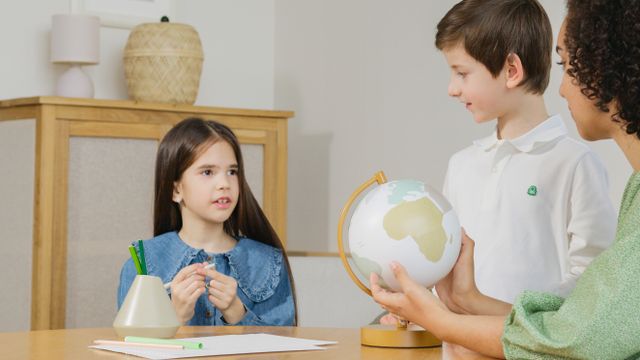
 Starting Montessori homeschooling can feel like a big step. Especially if you’re used to traditional schooling or have never homeschooled before.
Many parents assume they need a perfect setup, special materials, or formal training before they can begin. But Montessori works differently.
At its core, it’s about creating a calm, prepared home environment where your child can learn through everyday activities, hands-on exploration, and increasing independence. There’s no need to get everything right from day one.
The following guide will walk you through the simple first steps to start Montessori homeschooling at home, so you can begin with clarity, confidence, and a realistic approach that fits your family life.
Understand What Montessori Education Is All About
Montessori homeschooling is not about recreating a classroom. It is about respecting your child’s natural development and giving them meaningful, hands-on work that builds independence.
In a Montessori homeschool, the parent acts as a guide rather than a lecturer. The quality of a child’s home environment plays a significant role in cognitive and behavioural development. For you, that means the atmosphere you create each day matters more than expensive equipment.
Montessori learning is organised around core areas like:
- Practical life
- Sensorial exploration
- Language
- Mathematics
- Cultural studies
Instead of moving by school year, children progress by mastery and developmental stage.
Prepare Your Home
A prepared environment supports independence without constant adult direction. Order, simplicity, and accessibility are more important than quantity.
Before purchasing materials, focus on these essentials:
- Clear low shelves
- Child-sized tools for real daily tasks
- A calm space with minimal distractions
For families stepping into Montessori homeschooling, careful preparation of the home space can make the transition smoother and more sustainable.
Create a Simple Daily Rhythm Instead of a Timetable
Montessori uses a work cycle rather than short, timed lessons. At home, that often means allowing a longer uninterrupted morning period where your child chooses from prepared activities.
Freedom sits alongside structure. The parent selects and rotates materials, while the child chooses which activity to engage with during the work period.
A gentle rhythm might include practical life work in the morning, outdoor time, shared reading, and hands-on maths or language activities. Predictability helps children feel secure, while flexibility allows learning to follow curiosity.
Choose a Montessori Curriculum That Fits Your Child
A curriculum in Montessori education is structured but not rigid. It follows developmental stages and builds through practical life, sensorial exploration, language, maths, and cultural subjects.
For children aged six and above, learning is often introduced through broad, story-based lessons that spark curiosity about the universe, life, humans, writing, and numbers. From there, children move into deeper research and independent projects.
Parents choose the overall framework, while children choose their daily work within that structure.
Some families design their own plan using scope-and-sequence guides. Others prefer ready-made Montessori homeschool programmes that organise lessons clearly while preserving the child-led philosophy. Structured support can make a significant difference.
You can go to multisori.com for more info about mixing and matching a five-star Montessori homeschool curriculum, ongoing expert guidance, and Montessori furniture to design your dream education program.
Then, you will always know what to teach, when to introduce it, and how to present each lesson with confidence.
Take the First Step and Adjust as You Go
Beginning Montessori homeschooling does not require perfection. Consistency, observation, and a calm environment will carry you far.
Montessori homeschooling works best when it grows with your child. Adjust materials, rhythm, and expectations as you learn what supports their independence and concentration.
If you are ready to design a Montessori homeschool that fits your family, explore curated curriculum and support options. With flexible tools and guidance, parents can move forward with clarity and confidence while keeping the focus on steady, child-led development.
Has this article been helpful? If so, take a look at our other informative content!